
Support our work · September 19, 2024 · 5 min read
How Service Dogs Offer More Than Companionship: The Importance of Your Support
Service dogs are skilled workers, not just pets. Here's what they do, what it costs to train them, and how donations and volunteers keep placements free for recipients.
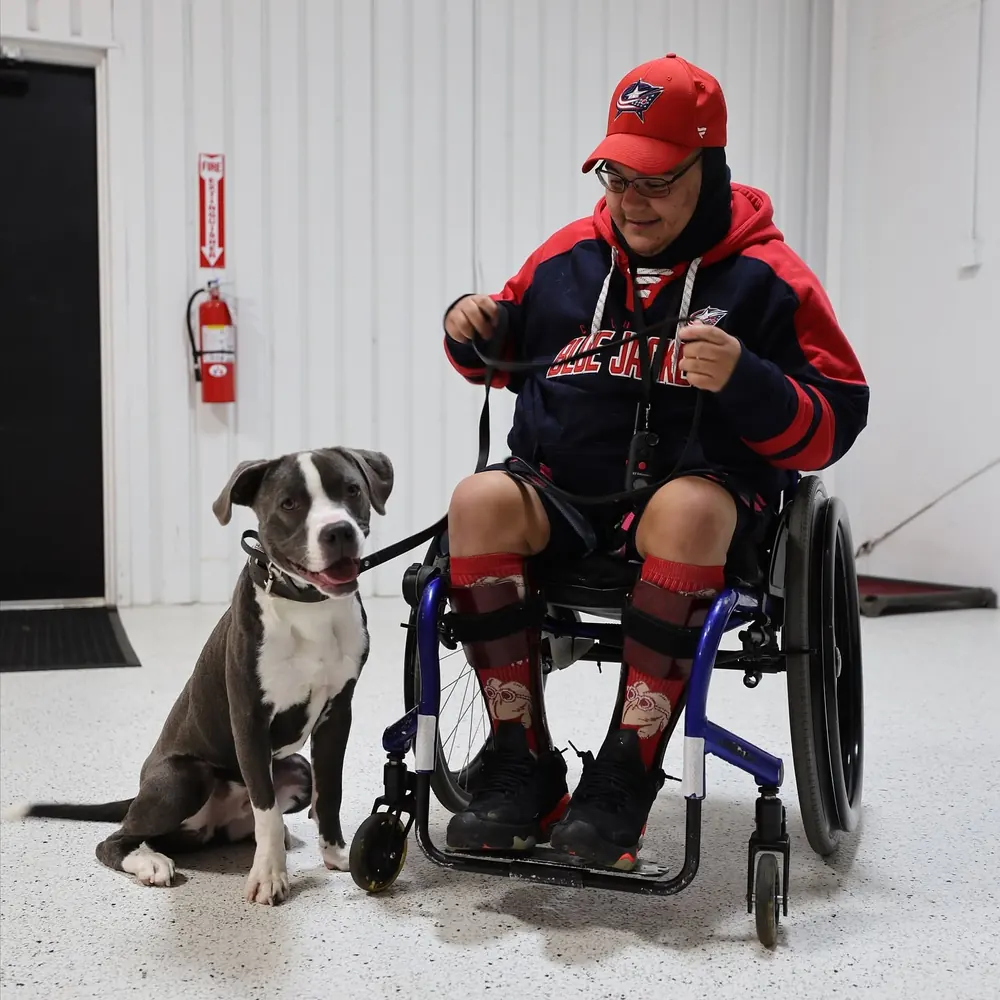
Service dogs play a vital role in the lives of individuals with disabilities, providing much more than just companionship. They enhance quality of life and assist in daily tasks. This post explores the many ways service dogs contribute to their handlers' well-being — and why community support through donations and advocacy matters so much.
What are service dogs and their roles?
Service dogs are specially trained canines that assist people with various disabilities, allowing them greater independence and quality of life. At their core, these dogs are not just pets; they are skilled workers. They perform tasks tailored to their handler's unique needs, whether it is guiding a person with vision impairment, alerting someone who is deaf, or providing physical support for an individual with mobility challenges.
In addition to physical tasks, service dogs offer emotional support. Many handlers experience anxiety or other mental health conditions, and the presence of a service dog can provide a sense of comfort and security. These animals can sense their handler's distress and provide calming companionship during tough moments.
Service dogs also have a significant impact on social interactions. Their presence often invites conversation, helping handlers connect with the community and combat feelings of isolation.
Beyond companionship: the practical benefits
While companionship is a lovely aspect of having a service dog, the practical benefits they provide cannot be overstated. Service dogs can be trained to respond to medical situations, such as detecting seizures or alerting their handlers to low blood sugar levels. That ability can be lifesaving, giving both the handler and their loved ones peace of mind.
Service dogs can also assist with daily tasks that would be challenging for individuals with disabilities. Imagine someone struggling to open doors or retrieve items — a service dog can be trained to perform these tasks, making daily routines easier and more manageable. That efficiency not only enhances the handler's independence but also alleviates the burden on caregivers and family members.
The bond between a service dog and their handler also leads to increased motivation and self-esteem. Knowing they have a faithful companion by their side, individuals often find themselves more willing to engage in social activities and explore new environments — an enriched life filled with experiences that may once have seemed daunting.
The training and bonding process
Training is at the heart of a service dog's effectiveness, and the journey begins long before the dog meets their future handler. Professional trainers use systematic approaches to equip these animals with the skills necessary to assist in specific scenarios. Each dog undergoes extensive training tailored to their handler's needs, which is why considerable emphasis is placed on getting a good match between dog and handler.
The bonding process is equally important. Service dogs must develop a strong relationship with their handlers, as trust and communication are key to their success. Handlers learn to read their dog's cues, while dogs become attuned to their handler's needs. This deep bond often leads to a sense of companionship that goes beyond mere functionality.
The training journey often involves the handler as well. Many programs encourage future handlers to participate in training sessions, fostering teamwork and collaboration from the start. That involvement helps the handler feel more empowered and sets the stage for a long-lasting partnership.
How your support makes a difference
Support from the community is crucial for the sustained success of service dog programs. Funding, volunteers, and advocacy are all essential components that help these organizations train and place dogs with those in need. With adequate resources, more individuals gain access to the support that service dogs provide.
When you choose to donate to service dog initiatives, that contribution can cover training, veterinary care, and even basic supplies for the dogs. Every dollar counts, and your support creates a ripple effect that helps dogs and their handlers lead fulfilling lives.
Why support matters
Training a service dog takes months of professional work, veterinary care, equipment, and follow-up support for the team after placement. Those costs are real — and they are the reason many people who need a service dog never get one.
Raising awareness is its own form of support. When we share the stories and challenges faced by individuals who rely on service dogs, we help cultivate a compassionate environment that fosters understanding and acceptance. Correcting misconceptions about service dogs can change the narrative and lead to better societal support.
Ways to get involved
One straightforward way to support these initiatives is through monetary donations. Organizations have funding needs ranging from training and veterinary care to community outreach. Taking the time to choose a program that resonates with you ensures your contribution makes a meaningful impact.
In addition to financial support, consider volunteering your time. Many service dog organizations rely on volunteers for training assistance, social media support, and event planning. Your unique skills can help these programs flourish.
Lastly, spreading awareness costs nothing but can yield significant benefits. Share the mission and success stories with your network, or organize a discussion within your community. By rallying friends and family around this cause, you amplify the call for support these programs need.
Real stories: how service dogs change lives
Behind every service dog is a story of transformation. Handlers who once avoided leaving home describe regaining the confidence to run errands, attend appointments, and travel. Others describe a dog who assists with physical tasks and, in doing so, helps rebuild an entire social life.
Each partnership between dog and handler is unique, and each one reveals the incredible potential these animals have. Celebrating and sharing those journeys fosters a broader understanding of the role service dogs play in our society.
The call to support service dogs
Understanding the immense value that service dogs provide makes one thing clear: our support directly shapes their impact. By donating, volunteering, or simply spreading awareness, we help ensure these dogs continue to change the lives of those who need them most. Every effort counts.
Two lives changed by one dog
Your gift places a trained dog with someone who needs it — at no cost to them.
The American Service Dog Foundation identifies and trains dogs with the right temperament, then places them with people with disabilities free of charge.